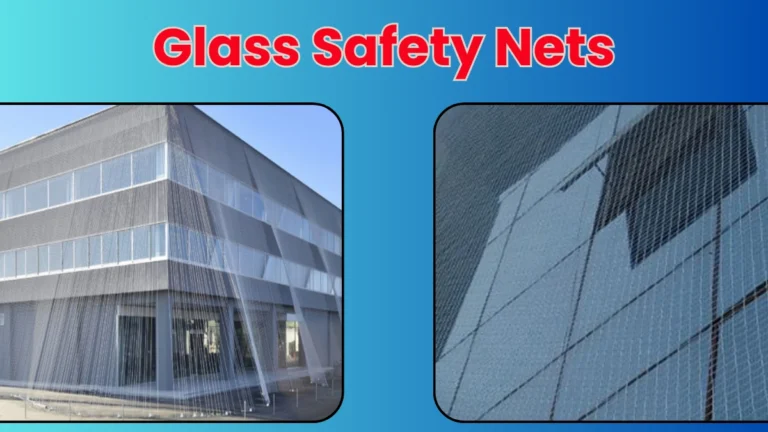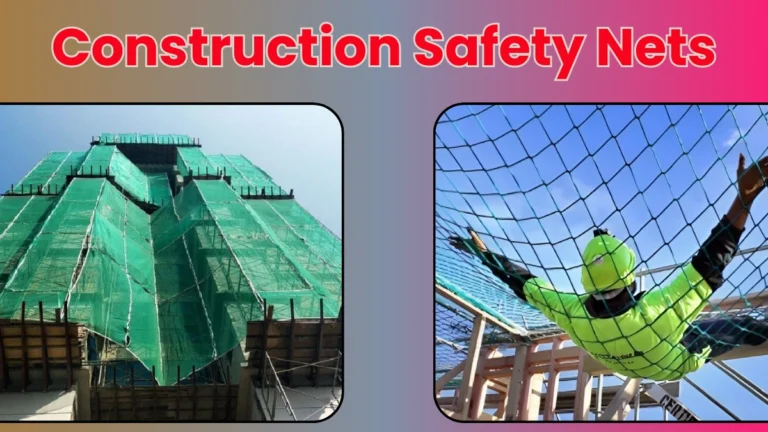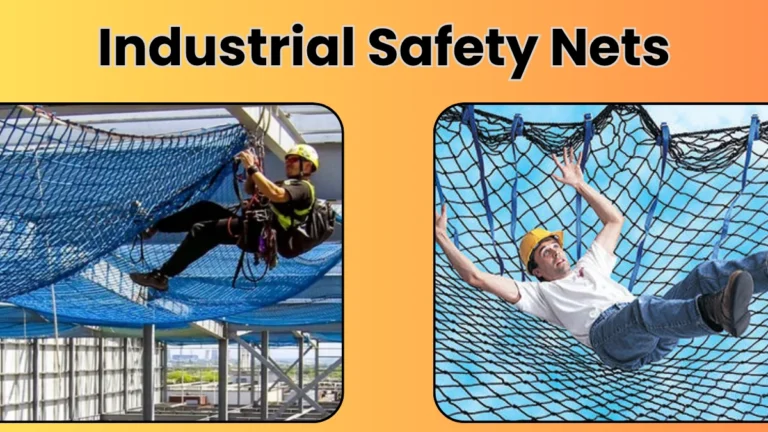
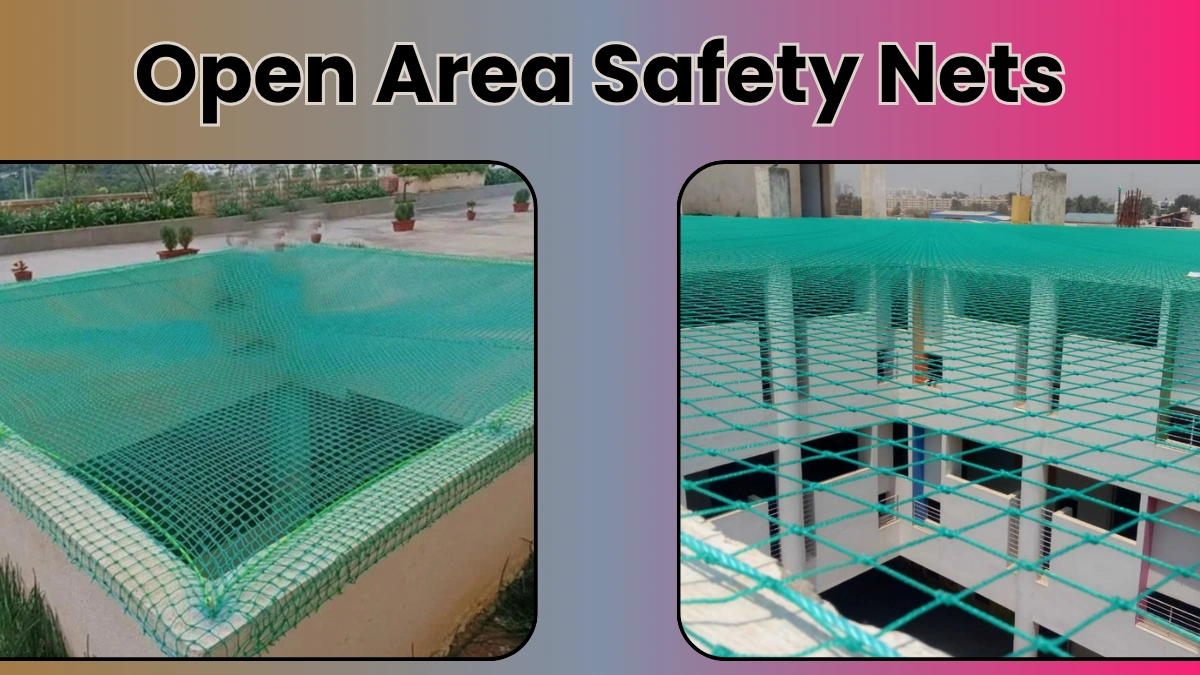

Open areas in residential apartments, commercial complexes, and industrial buildings pose several safety and hygiene challenges. These spaces, which include ventilation shafts, duct areas, air passages, and open building gaps, often become hotspots for bird nesting, debris fall, and accidental slips. The most effective solution to overcome these risks is installing Open Area Safety Nets.
These safety nets ensure complete protection without obstructing ventilation or natural light. They are made from strong, UV-stabilized materials and customized to fit any building structure, making them one of the most reliable preventive solutions for modern infrastructure.
What Are Open Area Safety Nets?
Open Area Safety Nets are durable protective nets made from HDPE (High-Density Polyethylene) or UV-treated Nylon. They are used to cover open duct areas, ventilation spaces, balcony gaps, and large open building sections to prevent accidents, falling objects, dust, and bird intrusion.
Their fine mesh structure ensures that air, light, and ventilation remain unaffected, while offering maximum safety and protection. Open area nets are widely used in apartments, gated communities, offices, educational institutions, malls, and industrial premises.
Why Open Area Safety Nets Are Necessary
Open ducts and ventilation shafts, though essential for airflow, remain one of the most vulnerable areas in a building. Without proper covering, these spaces allow birds to nest, debris to accumulate, and objects to fall through, posing hazards to residents and workers.
| Issue | Risk Without Net | Benefit with Open Area Net |
|---|---|---|
| Bird Nesting | Bad odor, contamination, noise | Prevents bird entry and nesting |
| Falling Objects | Injury and property damage | Acts as a protective barrier |
| Blocked Ventilation | Dust, dirt buildup | Keeps ducts clean and functional |
| Safety Hazards | Risk of slips and falls | Creates a secure covered space |
| Frequent Cleaning | High maintenance efforts | Reduces cleaning requirements |
The use of open area safety nets ensures hygiene, safety, and uninterrupted airflow across the building.
Types of Open Area Safety Nets
Different building structures require different types of nets depending on area size, height, and purpose.
| Type of Net | Material | Common Use | Lifespan | Avg. Cost (per sq.ft.) |
|---|---|---|---|---|
| HDPE Open Area Net | UV-Stabilized HDPE | Large ducts, ventilation gaps | 5–8 Years | ₹12–₹20 |
| Nylon Safety Net | UV-Coated Nylon | Residential balconies and ducts | 4–6 Years | ₹10–₹15 |
| Pigeon Control Net | Fine Mesh HDPE | Bird entry prevention | 5–7 Years | ₹12–₹18 |
| Transparent Net | Monofilament Nylon | Aesthetic buildings and glass facades | 3–5 Years | ₹15–₹22 |
| Fire-Resistant Net | Treated HDPE | Factories, chemical industries | 6–8 Years | ₹18–₹28 |
HDPE nets remain the most popular choice due to their strength, durability, and weather resistance.
Major Benefits of Open Area Safety Nets
1. Prevents Bird Infestation
Blocks pigeons, sparrows, and other birds from entering duct areas, eliminating health risks and hygiene issues.
2. Ensures Safety from Falling Objects
Protects people and property from falling debris, tools, or waste materials from upper floors.
3. Maintains Natural Ventilation
Mesh design allows smooth airflow, ensuring that ventilation systems function effectively.
4. Weather and UV Resistant
High-quality nets withstand heat, rain, wind, and long-term exposure to sunlight.
5. Enhances Building Aesthetics
Transparent or color-coordinated nets blend seamlessly with the building structure.
6. Low Maintenance and Long Lifespan
Requires minimal cleaning and maintenance, making it a cost-effective long-term investment.
Technical Specifications of Open Area Safety Nets
| Specification | Details | Advantage |
|---|---|---|
| Material | HDPE / UV-Proof Nylon | High strength and flexibility |
| Mesh Size | 15mm to 50mm | Suitable for different open areas |
| UV Protection | Yes | Prevents damage from sunlight |
| Load Capacity | 100–150 kg/m² | Withstands wind pressure and debris |
| Installation Method | SS Hooks + Nylon Rope | Secure and rust-free |
| Colors Available | Transparent, White, Green | Matches building style |
| Expected Lifespan | 5–8 Years | Long-lasting use |
| Maintenance Level | Low | Easy to clean and inspect |
These specifications ensure safety nets perform efficiently in varying environmental conditions.
Installation Process of Open Area Safety Nets
Professional installation is essential for long-term performance and secure coverage. The process includes:
- Site Survey and Area Analysis: Identifying open spaces, bird entry points, and risk zones.
- Accurate Measurement: Taking precise measurements of the duct or ventilation opening.
- Anchor Fixing: Installing rust-proof stainless steel hooks and clamps around the perimeter.
- Net Installation and Tensioning: Attaching the safety net and tightening it securely with high-strength nylon ropes.
- Safety Inspection: Ensuring proper alignment, tension, and complete coverage with no gaps.
Depending on the area size, installation typically takes one to three hours for residential buildings and longer for large commercial sites.
Maintenance and Care
Open area safety nets require minimal upkeep but should be checked periodically for maximum safety.
- Clean the nets with water occasionally to remove dust.
- Inspect hooks and ropes every six to twelve months.
- Replace damaged or worn-out sections promptly.
- Avoid heavy objects pressing directly onto the net surface.
With basic maintenance, high-quality nets can last eight years or more.
Applications of Open Area Safety Nets
These nets are suitable for various building structures and open spaces, including:
- Apartment duct openings
- Ventilation shafts and utility gaps
- High-rise building air passages
- Residential balcony open gaps
- Warehouses and industrial ducts
- Office and commercial building open spaces
- School, hospital, and mall ventilation areas
They are ideal for any location where safety, hygiene, and bird protection are required.
Open Area Safety Nets vs Traditional Enclosures
| Feature | Open Area Safety Nets | Metal/Glass Enclosures |
|---|---|---|
| Airflow | Excellent | Restricted |
| Weight | Lightweight | Heavy |
| Cost | Affordable | Expensive |
| Maintenance | Low | Requires frequent care |
| Installation Time | Quick | Longer installation |
| Aesthetic Appeal | Nearly invisible | Visible and bulky |
| Flexibility | Fits any shape or size | Limited customisation |
Safety nets offer superior flexibility, ventilation, and cost-efficiency compared to fixed enclosures.
Cost of Open Area Safety Nets in India
The pricing of open area safety nets depends on net type, area size, and installation complexity.
Average Cost: ₹10 to ₹25 per sq.ft (including installation)
Cost Factors:
- Material (HDPE, Nylon, or Transparent Net)
- Mesh thickness and UV coating
- Building height and accessibility
- Area size and customization needs
Commercial and industrial installations may include additional charges due to height and heavy-duty material requirements.
Conclusion: Open Area Safety Nets are essential for maintaining safety, hygiene, and structural protection in modern buildings. Their UV-resistant, durable mesh design ensures long-term protection from birds, falling debris, and environmental pollutants while maintaining full ventilation and natural light flow.
Whether used in apartment duct areas, industrial ventilation spaces, or commercial building openings, these nets provide an effective, cost-efficient, and long-lasting solution. With professional installation and minimal maintenance, open area safety nets remain one of the most reliable safety upgrades for residential and industrial structures.