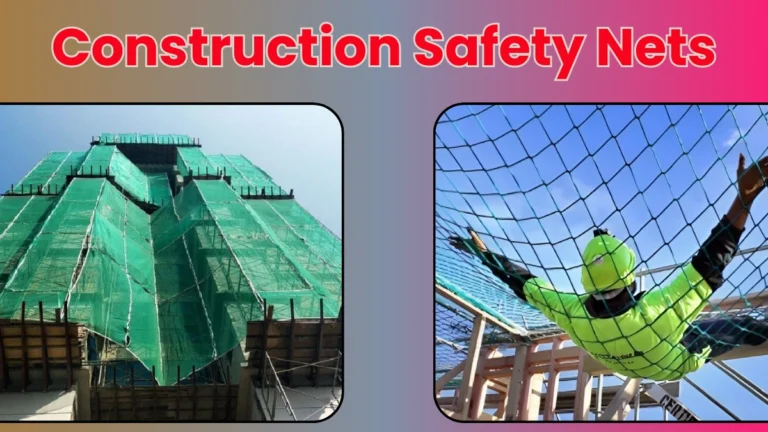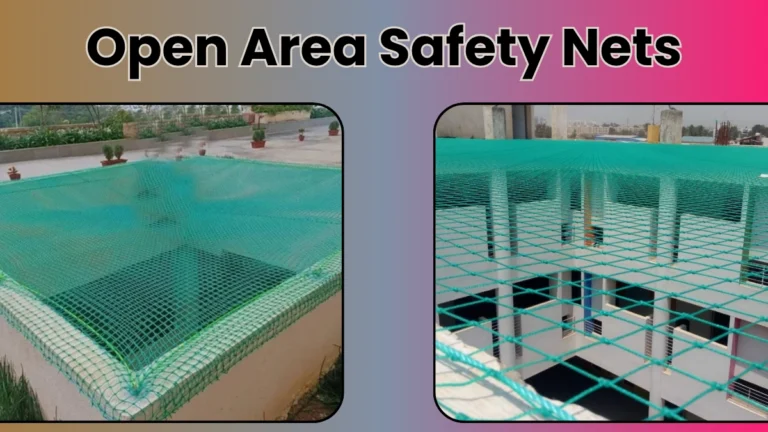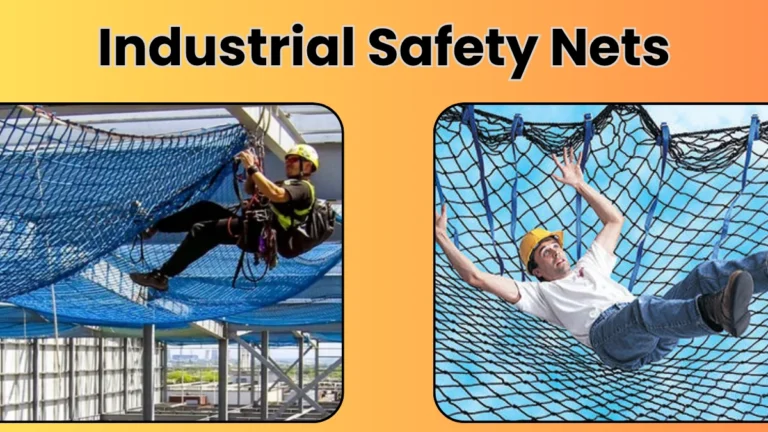
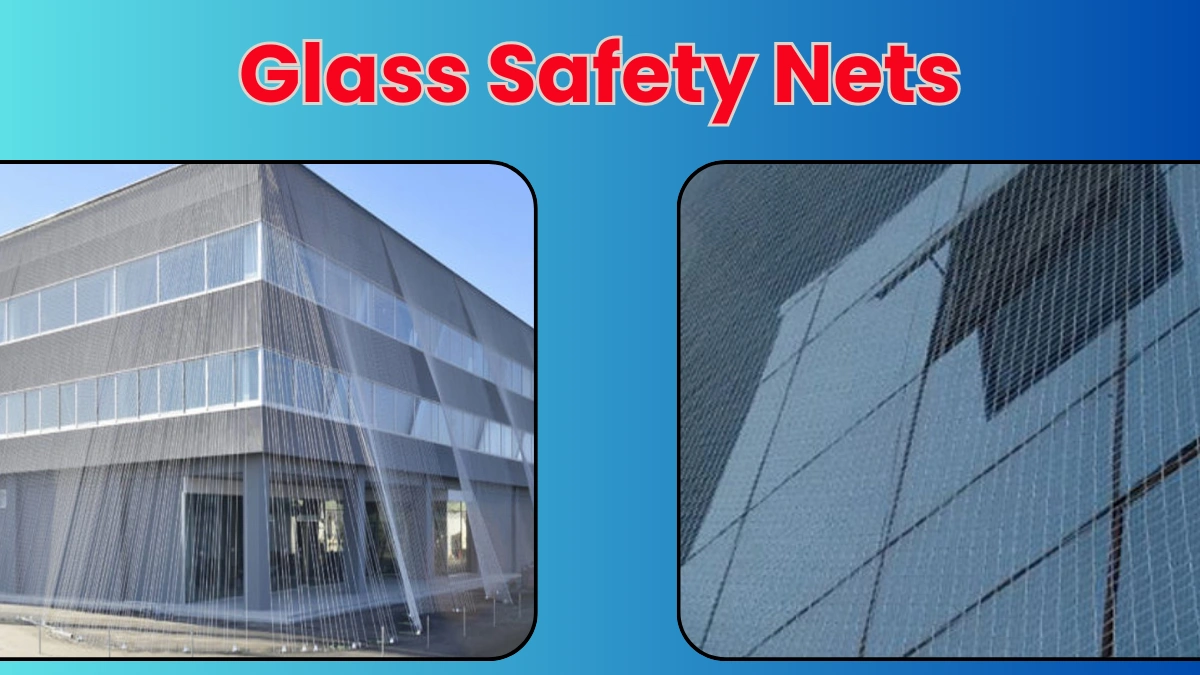

Glass Safety Nets have become a critical requirement for modern buildings, especially in urban areas where high-rise apartments, commercial complexes and glass-heavy architecture are common. As glass structures continue to be used in balconies, façades, skylights, canopies and windows, the risk of glass breakage also increases. Broken glass can cause serious injuries, property damage and safety hazards. Glass safety nets work as a protective barrier that prevents falling glass pieces from causing harm, making them an essential safety addition for both residential and commercial buildings.
Glass panels are often exposed to strong winds, temperature changes, accidental impacts and structural pressure. Even a minor crack can lead to sudden breakage. Glass Safety Nets are designed to absorb and hold the broken fragments securely, ensuring that the surroundings remain safe. Their high durability, weather resistance and transparent appearance make them one of the most effective safety solutions in 2025.
What Are Glass Safety Nets
Glass Safety Nets are high-strength protective nets installed around glass structures to catch broken glass pieces in case of impact. They are made from UV-stabilized HDPE or nylon material known for their tensile strength and long-lasting performance. These nets act as a safety shield without obstructing the look of glass installations. They are widely used in homes, offices, shopping malls, industrial buildings, hospitals and educational institutions.
Why Glass Safety Nets Are Needed
Glass breakage can occur due to harsh weather, high wind pressure, bird hits, vibration from traffic, poor installation or aging. When glass shatters, the fragments fall unpredictably and can injure people walking below or damage vehicles and property. Glass Safety Nets eliminate this risk by holding the shards in place. Homes with children and pets benefit greatly because the nets prevent accidental contact with glass edges. In high-rise buildings, they reduce the dangers associated with falling objects and help maintain a secure environment.
Features of Glass Safety Nets
Glass safety nets offer strong impact resistance and are capable of holding heavy glass fragments. Their UV-resistant material ensures that they do not weaken under sunlight. They remain stable during monsoon, heat and dust exposure, making them suitable for all weather conditions in India. They come in clear or neutral colors to maintain building aesthetics. Installation is simple and the nets require minimal maintenance even after years of use.
Types of Glass Safety Nets
To help users choose the right protection, here is a categorized table:
| Type of Net | Material | Typical Use | Durability |
|---|---|---|---|
| HDPE Glass Safety Nets | UV-treated HDPE | Balcony glass, windows | High |
| Nylon Glass Protection Nets | High-strength nylon | Commercial façades | Very High |
| Transparent Mesh Nets | Fine mesh | Aesthetic building exteriors | Medium |
| Heavy-Duty Nets | Thick nylon or HDPE | Industrial structures | Very High |
| Residential Balcony Nets | HDPE or nylon | Apartments and villas | High |
Applications of Glass Safety Nets
These nets are used in many areas where glass installations are common. Residential buildings use them for balcony glass, French windows, sliding glass doors and open terraces. Commercial buildings use them around glass façades, office windows, mall skylights, showroom entrances and glass canopies. Industrial buildings install them around overhead glass panels and factory skylights. Hotels, hospitals and schools use them to ensure safety in areas with heavy foot traffic.
Installation of Glass Safety Nets
The installation process begins with a site inspection to understand the size of the glass area and points where the net must be fixed. The technician marks anchor points and installs hooks, clamps or stainless-steel fasteners. The net is attached and stretched uniformly to maintain strength and alignment. UV-resistant ropes are used to tie the mesh securely. After installation, a safety check is done to ensure there are no gaps. When installed properly, the net remains tensioned and provides long-term glass protection.
Benefits of Glass Safety Nets
Glass safety nets reduce the risk of accidents, especially for children and pets in homes. They prevent falling glass shards from injuring people or damaging cars parked below the building. They improve safety in high-rise complexes and help maintain compliance with modern safety guidelines. They allow natural light to pass through without blocking ventilation. The nets help reduce maintenance expenses in areas where glass panels frequently crack due to weather or vibration.
Glass Safety Nets vs Metal Grills
| Feature | Glass Safety Nets | Metal Grills |
|---|---|---|
| Flexibility | High | Low |
| Aesthetic Appeal | Clear and minimal | Visible and bulky |
| Rust Resistance | 100 percent | Prone to rust |
| Weight | Lightweight | Heavy |
| Installation | Quick and easy | Requires welding |
| Maintenance | Almost none | Requires repainting |
Glass Safety Nets Price in India
The cost of glass safety nets depends on the material quality, area size, mesh thickness and installation height. In India, the average price ranges between Rs 15 and Rs 45 per sq ft including installation. Large commercial façade coverage or industrial skylight protection may cost slightly more due to additional safety equipment required during the installation process.
Conclusion: Glass Safety Nets are one of the most important safety additions for modern buildings in India. They protect people from injuries caused by falling glass fragments and enhance the overall safety of residential and commercial properties. Their durability, aesthetic appearance, low cost and long-term performance make them essential as glass usage continues to increase in urban architecture. Whether it is an apartment balcony, a glass façade or a commercial skylight, installing a glass safety net provides reliable protection and peace of mind.