
Construction safety is a critical requirement in modern infrastructure development, and one of the most essential components of site protection is the use of Construction Safety Nets. These nets are designed to prevent accidents caused by falls, slipping tools and falling debris during building activities. As urban construction expands and high-rise structures become more common, construction safety nets have become a mandatory safety element across India. They offer durable protection and create a secure working environment for laborers, engineers and supervisors involved in heavy construction activities.
Construction safety nets are made from high-strength materials like HDPE and Nylon, which ensures long-term performance under extreme outdoor conditions such as sun exposure, wind load and dust. Whether it is a residential building, commercial tower, industrial plant or infrastructure project, these nets reduce risks and improve on-site efficiency. Their purpose is to protect workers from falls, secure open building edges and prevent heavy objects from dropping to lower levels.
What Are Construction Safety Nets
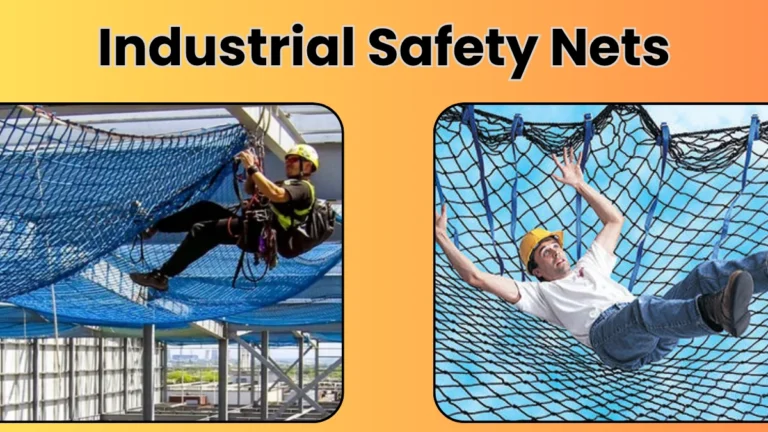
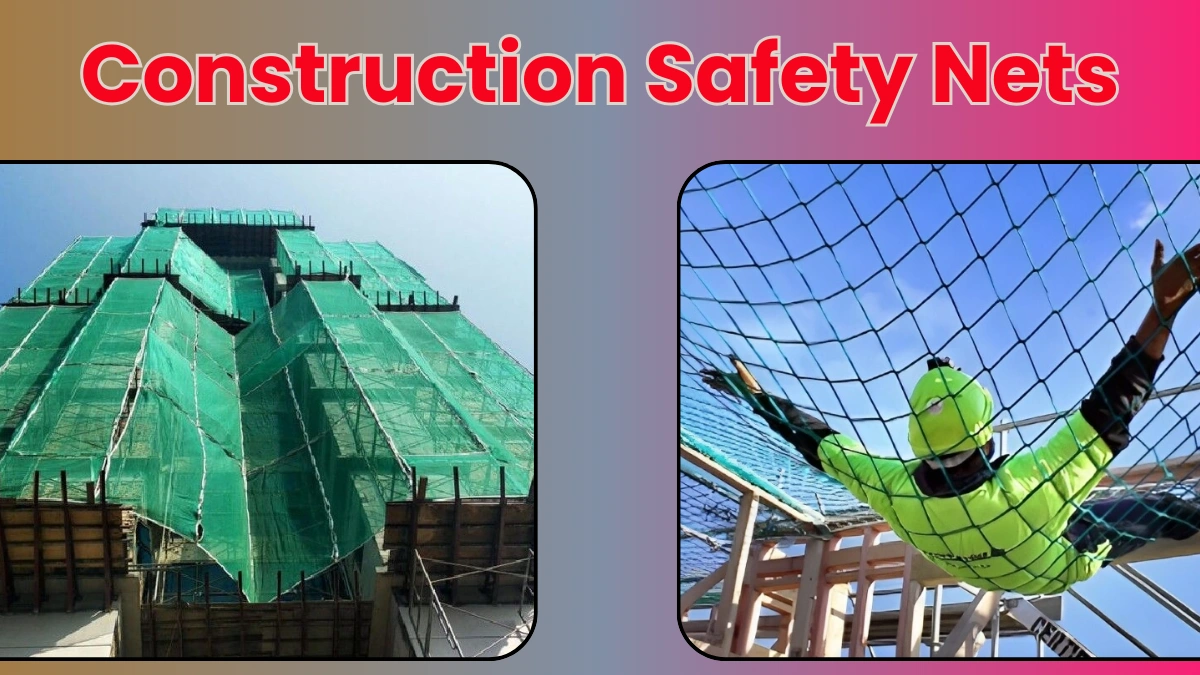
Construction safety nets are protective nets installed across elevated areas, scaffolding structures, open floors and high-risk work zones to prevent accidents. These nets absorb impact and reduce injury severity if a person or object falls from height. They also prevent stones, tools, concrete chunks and construction materials from falling to the ground and injuring workers or passersby. Their durability and high tensile strength make them suitable for high-rise and industrial construction.
These nets are built using UV-stabilized HDPE, Nylon or Polypropylene rope to ensure long-term outdoor resistance. The mesh size, rope thickness and color can be customized according to site needs. Construction firms use them because they meet safety compliance standards while offering superior protection and ease of installation.
Importance of Construction Safety Nets
Construction is one of the highest-risk industries, particularly where height work is involved. Safety nets significantly reduce the dangers associated with these tasks. They protect laborers, supervisors, pedestrians and materials by acting as a safety layer around the construction area.
| Safety Issue | Risk Without Safety Nets | Role of Construction Safety Nets |
|---|---|---|
| Worker falling from height | Serious injury or death | Provides fall arrest protection |
| Tools or materials dropping | Injuries and equipment damage | Prevents falling objects |
| Open building edges | Unsafe working conditions | Creates a secure zone |
| Multi-storey work | Higher risk factor | Adds stability and protection |
Using construction safety nets helps companies meet government safety regulations and enhances the overall safety environment at the worksite.
Types of Construction Safety Nets
Construction sites require different types of nets depending on structure, activity and risk level. Here are the main categories:
| Type of Net | Description | Suitable For |
|---|---|---|
| Fall Protection Safety Nets | Designed to prevent workers from falling from upper floors or scaffolding | High-rise buildings, towers, bridges |
| Debris Safety Nets | Prevents debris, tools and concrete pieces from falling | Multi-level construction |
| HDPE Construction Nets | UV-resistant and strong mesh structures | Outdoor building sites |
| Nylon Construction Nets | Flexible and heavy-duty option for industrial tasks | Warehouses, factories, complex builds |
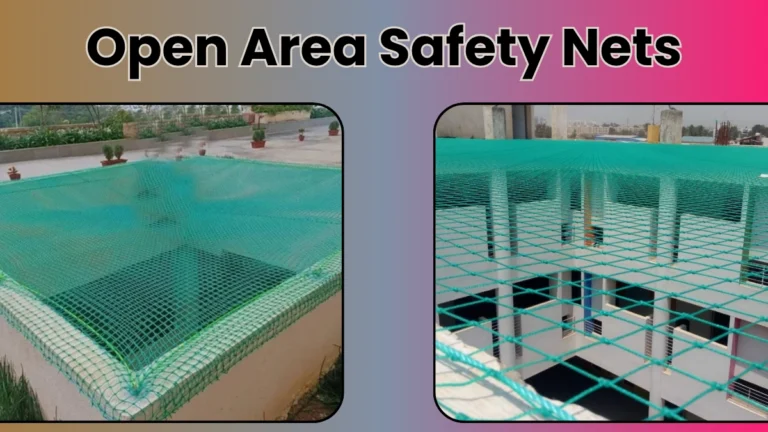
| Vertical Safety Nets | Installed vertically to cover open spaces | Elevator shafts, balconies, open floors |
| Scaffolding Safety Nets | Mounted around scaffolding structures | External facade work, painting, plastering |
These nets allow safe movement and create secure working zones across different stages of construction.
Key Features of Construction Safety Nets
Construction safety nets deliver multiple advantages due to their engineering and material quality. They are strong, weatherproof and capable of absorbing significant impact. They come with UV stabilization to withstand Indian climate conditions. They are lightweight but extremely durable, making them easy to install without affecting the structure. They can be manufactured in different mesh sizes for fall protection or debris control. They are designed with high breaking strength to support heavy loads and constant outdoor exposure. They use rust-free hooks and bindings to ensure secure installation.
Technical Specifications
| Specification | Detail | Benefit |
|---|---|---|
| Material | HDPE, Nylon or PP | Offers high durability and load support |
| Mesh Size | 25 mm to 60 mm | Suitable for fall and debris protection |
| Tensile Strength | High | Absorbs fall impact and reduces injury |
| UV Protection | Yes | Withstands sunlight and heat |
| Rope Thickness | 2 mm to 6 mm | Suitable for heavy construction |
| Colors | Green, Blue, Yellow | Enhanced visibility at sites |
| Lifespan | 5 to 8 years | Long-term safety solution |
| Installation | SS Hooks, Clamps, Nylon Rope | Ensures secure fitting |
These specifications help determine which net is suitable for specific construction tasks.
Installation Process for Construction Safety Nets
Installing construction safety nets requires precision to ensure complete protection. The process begins with a site inspection to analyze open areas, risky spots and required coverage. Accurate measurements are taken to customize the net size. Stainless steel hooks, clamps and ropes are fixed at anchor points along floors, edges or scaffolding structures. The net is then tightened and tension-tested to ensure no gaps remain. Final inspection ensures stability and compliance with site safety requirements. Professional installation ensures durability and effective risk prevention.
Applications of Construction Safety Nets
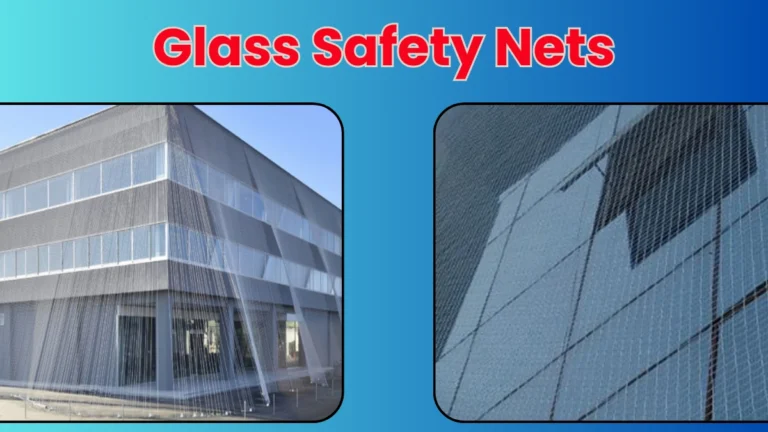
Construction safety nets are used in residential, commercial and industrial sectors. They are essential for high-rise buildings, bridges, flyovers, scaffolding work and warehouses. They are used in glass facade installation, renovation projects and exterior maintenance tasks. Any environment where workers operate at height or where falling objects pose risk must use safety nets to ensure safety compliance and reduce accidents. They protect both workers and the general public from construction hazards.
Benefits of Construction Safety Nets
Construction safety nets offer a strong safety layer that prevents accidental falls and enhances worker confidence. They improve efficiency by creating secure conditions for handling heavy materials and working at height. They prevent tools, debris and building materials from falling, reducing property damage and accidents. They help construction companies meet mandated safety guidelines. They require little maintenance and offer long-term reliability due to their durable HDPE and Nylon build.
Construction Safety Nets vs Traditional Barriers
| Feature | Safety Nets | Traditional Barriers |
|---|---|---|
| Flexibility | Highly flexible for different structures | Less adaptable |
| Airflow | Excellent airflow | Restricted airflow |
| Coverage | Custom fitted to any area | Limited coverage |
| Cost | More affordable for large coverage | Relatively expensive |
| Weight Handling | High strength | Moderate |
Safety nets provide better customization, larger coverage and improved fall protection compared to rigid barriers like plywood or metal sheets.
Construction Safety Nets Price in India
The cost of construction safety nets depends on material, thickness, installation height, mesh size and required coverage. The general price range in India averages from ₹10 to ₹35 per sq.ft including installation. HDPE nets are more cost-effective, while Nylon nets offer higher strength for heavy-duty applications.
Conclusion: Construction safety nets play a vital role in reducing risks and preventing accidents at building sites. With high-strength materials, UV-resistant build and secure installation techniques, they offer dependable fall protection and debris control. As construction activity continues to increase across India, these nets remain essential for maintaining worker safety, protecting pedestrians and ensuring compliance with building safety standards. Their durability, low maintenance and customizable design make them one of the most effective safety solutions for construction environments in 2025.