
Safety at construction and industrial sites is a non-negotiable priority. With most projects involving work at height, building safety nets have become essential for protecting workers, preventing accidents, and maintaining compliance with Indian safety standards.
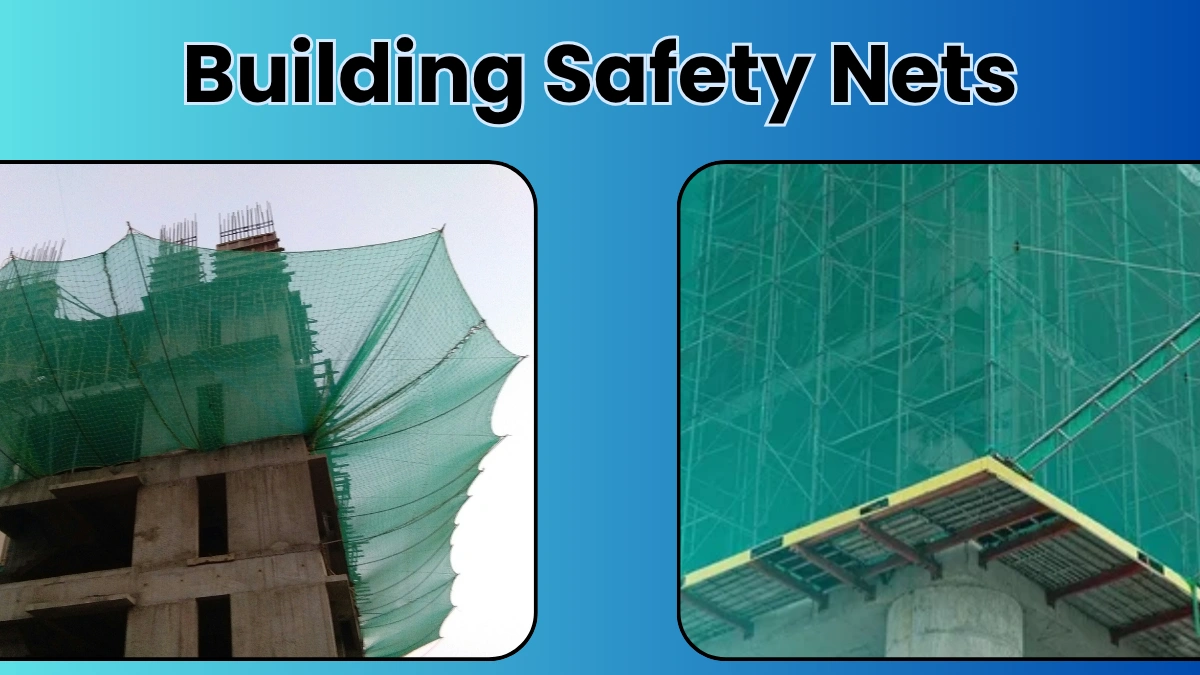
A building safety net is a woven mesh structure made from durable synthetic fiber that absorbs the energy of a fall. It safeguards workers, pedestrians, and surrounding property from injury or damage caused by falling materials. As infrastructure and high-rise development grow rapidly in India, demand for certified safety nets is increasing across residential, commercial, and industrial projects.
What Are Building Safety Nets
Building safety nets are specialized mesh systems installed at elevated worksites to protect people and materials from falls. They act as fall-arrest systems, capturing both workers and debris that may fall during construction or maintenance.
These nets are typically made from polypropylene or high-density polyethylene (HDPE) and tested to meet IS 5175:1992 standards for impact strength, weather resistance, and durability. Their flexible yet strong structure distributes impact evenly, minimizing injury risk and ensuring site safety.
Major Types of Building Safety Nets
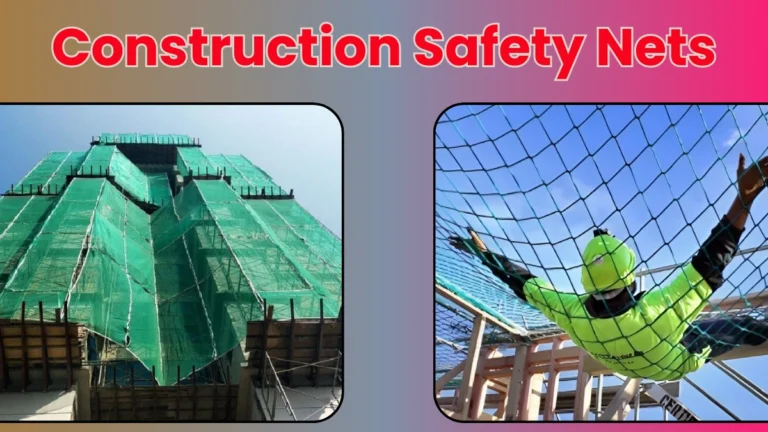
Construction Safety Nets
Installed below scaffolding or building edges to prevent falls during high-rise construction. Common in commercial, residential, and infrastructure projects.
Industrial Safety Nets
Used in factories, warehouses, and power plants to prevent accidents around machinery, mezzanines, or stairwells.
Debris Containment Nets
Designed to stop falling materials such as bricks, concrete, or tools from hitting workers or passersby below.
Balcony and Facade Safety Nets
Used in apartments, hotels, and office buildings to prevent accidental falls and enhance balcony safety for residents.
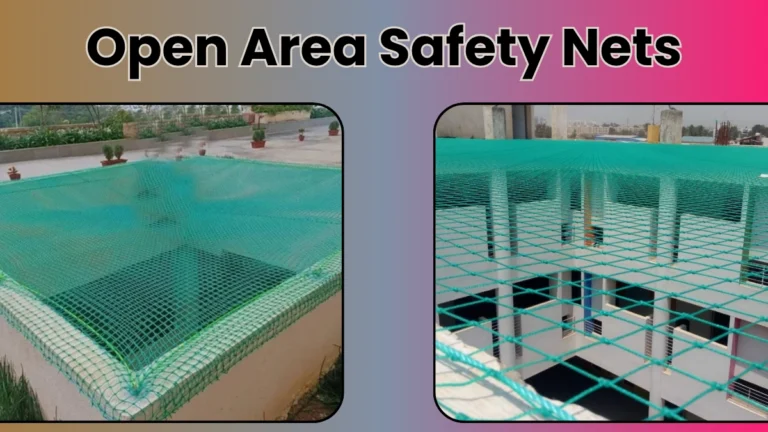
Duct and Shaft Area Nets
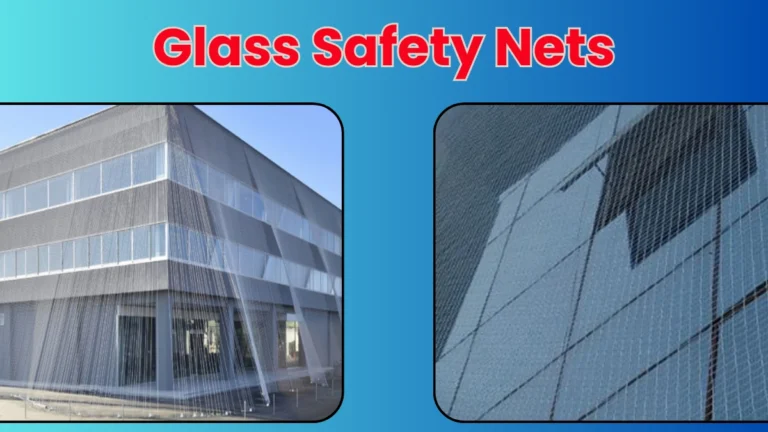
Installed across open shafts, ducts, and glass façades to secure maintenance teams during inspection or repair work.
Key Benefits of Installing Building Safety Nets
- Accident Prevention: Prevents injuries by safely catching workers or tools during a fall.
- Regulatory Compliance: Meets BIS and OSHA guidelines, ensuring legal adherence and insurance eligibility.
- High Durability: Made from UV-treated material that resists sun, rain, and dust exposure.
- Quick Installation: Lightweight design allows fast mounting and removal with minimal downtime.
- Increased Worker Confidence: Improves on-site morale and productivity by providing a safe environment.
Installation Process
- Site Assessment: Identify risk zones such as open floors, scaffolds, or shafts.
- Material Selection: Choose rope thickness, mesh size, and strength based on project height and load.
- Anchoring Setup: Attach nets using steel hooks, ropes, or clamps to solid beams or structures.
- Tension Alignment: Ensure proper stretching to maintain balance and shock absorption.
- Inspection and Maintenance: Regularly check for damage, wear, or corrosion to maintain safety integrity.
Professional installation is strongly recommended to ensure compliance with BIS (Bureau of Indian Standards) and Occupational Safety and Health Administration (OSHA) protocols.
Applications Across Industries
- High-rise and residential construction projects
- Metro, bridge, and flyover development
- Industrial plant maintenance and assembly lines
- Balcony and facade protection in housing complexes
- Glass cleaning, duct area protection, and public infrastructure
Building safety nets are now standard across construction, real estate, and industrial sectors due to strict safety laws and audit requirements.
Material Quality and Performance Standards
Most building safety nets are crafted from HDPE or Nylon ropes treated for UV resistance, high tensile strength, and water repellence. The nets are tested for breaking load, mesh integrity, and elongation limits before use.
A standard construction safety net has a mesh size of 50–100 mm and rope thickness between 12–16 mm, ensuring maximum strength with flexibility. Periodic testing and certification are essential to ensure performance reliability.
Maintenance and Inspection
Routine maintenance extends the lifespan of safety nets and ensures compliance with safety audits.
- Inspect before and after each installation for fraying or broken cords.
- Clean regularly to remove cement, oil, or dust that weakens fibers.
- Replace nets every 12–18 months or immediately if damaged.
Proper upkeep guarantees consistent protection and minimizes operational hazards.
Professional Installation Advantages
Hiring certified installers ensures proper anchoring, load testing, and compliance with IS and OSHA safety norms. Professionals use precision tools, heavy-duty anchors, and safety gear to ensure accurate installation.
Professional installation improves net efficiency, reduces downtime, and guarantees both legal compliance and insurance approval.
Conclusion: Building safety nets are a vital part of every modern construction or industrial project. They provide a reliable shield against falls, debris, and other hazards while ensuring that safety regulations are followed.
Whether for a multi-storey construction, industrial plant, or residential balcony, installing certified safety nets ensures protection, productivity, and peace of mind. Investing in quality materials and expert installation today creates a safer and more compliant workspace for the future.
Disclaimer: The information provided here is for awareness and educational purposes. Always consult certified safety net suppliers or installation professionals before implementing on-site solutions.
Description: Learn everything about building safety nets for construction and industrial use. Discover types, benefits, installation process, and safety standards to ensure maximum site protection in 2025.